O Come, O Come, Emmanuel: The Advent Promise Fulfilled and Awaiting Fulfillment
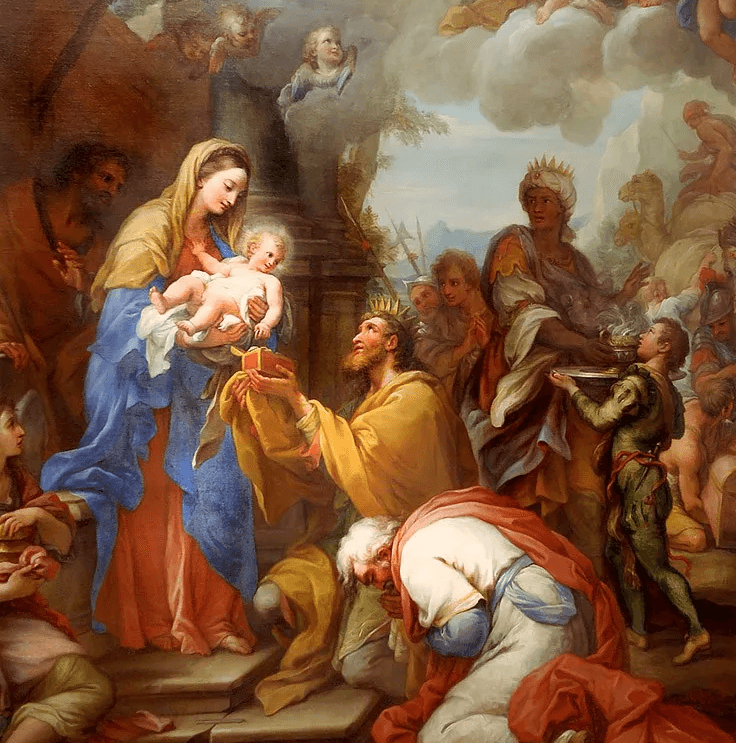
The Advent season encapsulates the duality of Christian hope: the fulfilled promise of the Incarnation in the birth of Christ and the future promise of His return to establish His millennial reign. This tension between fulfillment and expectation resonates deeply in the hymn “O Come, O Come, Emmanuel,” which serves as a poignant meditation on God’s promises. The hymn’s theology, rooted in Scripture and ancient Christian tradition, bridges Christ’s past, present, and future work, making it a profound reflection on the dual promise of Advent.
The Promise Fulfilled: The Incarnation
The Incarnation is at the heart of the Christian faith. It fulfills centuries of Messianic prophecies, particularly those found in the Old Testament. Isaiah 7:14 proclaims, “Behold, the virgin shall conceive and bear a son, and shall call his name Emmanuel,” meaning “God with us.” This prophecy finds its fulfillment in the birth of Jesus Christ, the eternal Word made flesh (John 1:14). The hymn’s plea for Emmanuel reflects humanity’s deep yearning for God’s presence, which is ultimately satisfied in the mystery of the Incarnation.
The Incarnation fulfills prophecy and establishes a new covenant between God and humanity. Through the birth of Christ, God enters history tangibly and intimately. Jesus, born in humble circumstances, embodies the paradox of divine power and human weakness. His arrival is the dawn of salvation, breaking the chains of sin and death, as the hymn declares, “O come, Thou Rod of Jesse, free / Thine own from Satan’s tyranny.”
The Incarnation reveals the perfect balance of God’s justice, mercy, and love. Justice, in its divine form, demands atonement for sin, as sin separates humanity from God’s holiness. Yet, rather than leaving humanity to bear the weight of this separation alone, God’s love provides a mediator in Jesus Christ. In taking on human flesh, Christ becomes the bridge between the divine and the fallen, satisfying the demands of justice while extending mercy to all. The hymn’s plea for Emmanuel, “God with us,” reflects the longing for this profound reconciliation, made possible only through God’s initiative in the Incarnation.
God’s mercy shines brilliantly in the humility of the Incarnation. Instead of appearing in glory and power, Christ is born in a manger, surrounded by the lowly and marginalized. This deliberate act underscores God’s desire to meet humanity in its frailty and brokenness. The Incarnation demonstrates that God’s mercy is not distant or abstract; it is personal and intimate. Jesus comes not to condemn but to save (John 3:17), embodying the tender compassion of a God who draws near to heal and restore His creation.
Love is at the very heart of the Incarnation, as it fulfills God’s redemptive plan for humanity. The eternal Word does not enter the world to serve His own needs but to lay down His life for others (Mark 10:45). This self-giving love is foreshadowed even in His birth, where the infant Christ lies vulnerable and dependent, offering Himself as a gift to the world. The hymn’s invocation of the “Rod of Jesse” reflects this sacrificial love, emphasizing Christ’s mission to liberate humanity from the tyranny of sin and reconcile them to the Father.
The Incarnation also reframes God’s justice as restorative rather than purely punitive. In sending Christ, God’s justice is not merely about punishment for sin but about creating a path for healing and renewal. Jesus embodies the perfect fulfillment of the law, not by abolishing it but by living it out in perfect love and obedience. Through His life and eventual sacrifice, the law’s demands are satisfied, and humanity is invited into a restored relationship with God. This union is a testament to God’s unwavering commitment to His promises, as reflected in the hymn’s assurance that Emmanuel will come to save His people.
Finally, the Incarnation reveals the depth of God’s desire for communion with humanity. By taking on flesh, Christ enters fully into the human experience, sharing in its joys, sorrows, and sufferings. This act of solidarity assures believers that God understands their struggles and walks alongside them in every moment of life. The mystery of Emmanuel—God with us—is a profound demonstration of God’s love, which seeks not only to redeem but also to dwell with His people. The hymn’s refrain, “Rejoice,” captures the awe and gratitude that flow from this realization, inviting all to celebrate the boundless mercy and love revealed in the Incarnation.
The Light in the Darkness
The image of Christ as the “Dayspring” beautifully encapsulates the transformative hope of His coming, both in the Incarnation and in His eventual return. The term evokes the breaking of dawn, a moment when light dispels the darkness and reveals the world anew. This light is not merely metaphorical but represents the divine presence entering a world that has been shrouded in the spiritual darkness of sin and despair. In Malachi 4:2, the “Sun of Righteousness” rising with healing in its wings conveys the restorative power of Christ’s light, illuminating a path for humanity to walk in righteousness and healing the wounds of a broken creation.
In Advent, the anticipation of this light carries a dual significance: it commemorates the birth of Jesus as the fulfillment of God’s promise. It points forward to the eschatological hope of His second coming. As the “light of the world” (John 8:12), Christ’s presence provides clarity and direction and the assurance that the darkness cannot overcome Him. This truth is both a comfort and a call to action, urging believers to live as children of the light, reflecting His love and truth in their lives.
The hymn’s invocation of the Dayspring reflects humanity’s universal yearning for deliverance from spiritual darkness. Sin creates alienation from God, others, and even oneself, plunging humanity into a state of confusion and despair. The Dayspring’s arrival signals the beginning of a new creation, where old patterns of brokenness are replaced with redemption and restoration. Christ’s light penetrates even the deepest shadows, offering forgiveness, renewal, and the hope of eternal life. This light not only exposes sin but also transforms it, providing a way out of darkness for those who follow Him.
This theme resonates powerfully in a world that continues to grapple with the consequences of sin—war, injustice, and personal suffering. Advent is a season for acknowledging this darkness while clinging to the hope that Christ brings. The hymn’s longing for the Dayspring echoes the cries of countless generations who have sought deliverance and renewal, whether from the oppression of earthly powers or the inner turmoil of the soul. Christ’s light offers the assurance that, no matter how pervasive the darkness may seem, it is temporary and will ultimately be defeated.
Moreover, the imagery of the Dayspring emphasizes the personal nature of Christ’s illumination. Just as the dawn brings warmth and light to every corner of the earth, Christ’s presence reaches into every aspect of human life, bringing hope, healing, and purpose. His light dispels the fear of the unknown and reveals the path toward a deeper relationship with God. In this sense, the Dayspring is not merely a historical or eschatological figure but an ongoing reality in the lives of believers, who are called to walk in His light and share it with the world.
Finally, the light of the Dayspring is a foretaste of the ultimate fulfillment of God’s promises. Revelation 22:5 speaks of a time when there will be no need for the sun or moon, for the Lord Himself will be the everlasting light. This vision of the New Jerusalem underscores the permanence of Christ’s light, which will entirely dispel all darkness and bring eternal joy and peace. The hymn’s anticipation of the Dayspring serves as a reminder of this glorious future, inspiring hope and faith in the midst of life’s struggles. In Christ, the light has dawned, and it will continue to shine until the darkness is no more.
The Birth of Christ as Divine Wisdom
“O Come, Thou Wisdom from on high,” another verse of the hymn, reflects Christ’s role as the divine logos, the eternal wisdom through whom all things were made (John 1:3). This wisdom, incarnate in Christ, guides humanity toward salvation. His teachings and example reveal the path to eternal life, providing the knowledge necessary to live in communion with God.
In Christ’s birth, the wisdom of God confronts the folly of human pride and sin. The humility of the manger contrasts sharply with worldly notions of power and prestige, revealing a divine logic that subverts human expectations. This wisdom, embodied in Christ, continues to illuminate the Church, guiding believers toward fulfilling God’s ultimate plan.
The invocation of Christ as “Wisdom from on high” in “O Come, O Come, Emmanuel” highlights His role as the divine Logos, the eternal wisdom through whom creation was formed and ordered. John 1:3 proclaims that “all things were made through Him, and without Him was not anything made that was made,” emphasizing Christ’s centrality in God’s creative and redemptive plan. This wisdom, embodied in the Incarnation, transcends human understanding and provides the means by which humanity is restored to communion with God. Christ is not merely a teacher or prophet; He is the personification of divine wisdom, offering knowledge and the power to transform and save.
In Christ’s birth, divine wisdom confronts the folly of human pride and sin. Human wisdom often exalts power, wealth, and status, but the Incarnation reveals a radically different paradigm. Born in a humble manger, Christ embodies a divine logic that subverts human expectations. His humility exposes the emptiness of earthly pride, while His life demonstrates that true wisdom lies in service, sacrifice, and love. This contrast highlights the profundity of God’s plan, where weakness becomes strength, and the last are made first, revealing a wisdom that surpasses human comprehension (1 Corinthians 1:25).
The teachings and example of Christ provide the knowledge necessary to live in communion with God, a central aim of divine wisdom. Through His parables, sermons, and actions, Christ illuminates the path to salvation, calling humanity to repentance, faith, and love. His words are not abstract principles but living truths that transform hearts and minds. For instance, the Sermon on the Mount encapsulates the ethical and spiritual vision of divine wisdom, challenging believers to embody the Beatitudes and pursue the kingdom of God. In this way, Christ as Wisdom offers both instruction and inspiration, enabling His followers to align their lives with God’s will.
Divine wisdom is not confined to the intellectual realm; it is deeply practical, guiding the Church’s mission and the believer’s daily life. The hymn’s plea for Christ to “order all things far and nigh” reflects the role of divine wisdom in bringing harmony and purpose to creation. This ordering is evident in the life of the Church, where Christ’s teachings shape doctrine, worship, and community life. It is also evident in the believer’s journey, where divine wisdom provides clarity amid confusion, strength in weakness, and hope in despair. Through Christ, the complexities of life are infused with meaning, and even suffering becomes a pathway to grace.
The Incarnation of divine wisdom also reveals God’s relational nature. Christ does not merely impart knowledge from afar; He enters into human history, sharing life’s joys and sorrows. This intimacy reflects the heart of divine wisdom, which seeks to instruct and unite humanity with God. By taking on flesh, Christ demonstrates that wisdom is not an abstract principle but a person—God’s Word made flesh, dwelling among His people. This personal dimension of divine wisdom invites believers into a relationship of trust and love, where they are learners and children of God.
Moreover, Christ, as Wisdom from on high, serves as a bridge between the Old and New Testaments, fulfilling the longings expressed in the Hebrew Scriptures. Proverbs and the Wisdom literature of the Old Testament often personify wisdom as a guide and companion, leading the faithful toward righteousness. Christ fulfills this role as the ultimate manifestation of divine wisdom, bringing the promises of the Old Testament to fruition. His life and ministry reveal the fullness of God’s plan, uniting the wisdom of the ages with the new covenant of grace and truth.
In His death and resurrection, the wisdom of Christ reaches its zenith, revealing the depth of God’s love and justice. The cross, a symbol of human folly and shame, becomes, through divine wisdom, the means of redemption and victory. This paradox—the wisdom of God revealed in the apparent foolishness of the cross—demonstrates the transformative power of divine logic. By conquering sin and death, Christ offers humanity salvation and a share in His divine wisdom, empowering believers to live as witnesses to His truth.
Ultimately, the birth of Christ as the embodiment of divine wisdom illuminates the path toward eternal communion with God. His life and teachings guide believers toward holiness, His death and resurrection secure their redemption, and His ongoing presence through the Holy Spirit continues to teach and transform. The hymn’s invocation of Wisdom from on high is thus a prayer for the fullness of Christ’s work in the world—a plea for His guidance, illumination, and transformative power to lead His people into the eternal light of God’s presence. This divine wisdom, incarnate in Christ, remains the foundation of faith, hope, and love, directing all creation toward its ultimate fulfillment in God.
The Fulfillment of Prophecy and Covenant
The hymn’s invocation of the “Key of David” underscores Christ’s authority over salvation and His role as the one who grants access to God’s kingdom. Isaiah 22:22 and Revelation 3:7 describe the Messiah as holding the key that opens and closes the doors no one else can. This imagery signifies divine authority and Christ’s exclusive power to grant entry into eternal life. Jesus assumes this role through His Incarnation, inaugurating the fulfillment of God’s promises. By His life, death, and resurrection, He provides humanity with a pathway to reconciliation with God and a share in His eternal kingdom.
Christ’s Incarnation is the ultimate fulfillment of the prophetic promises found throughout Scripture. The Old Testament abounds with Messianic prophecies that point to the coming of a Savior who would restore the relationship between God and humanity. Isaiah’s vision of the virgin giving birth to Emmanuel (Isaiah 7:14) and Micah’s prophecy of a ruler emerging from Bethlehem (Micah 5:2) find their fulfillment in Jesus. Each of these prophecies reflects God’s unwavering faithfulness, demonstrating that His plan of salvation was in motion long before the manger in Bethlehem. The birth of Christ is not merely a historical event but the culmination of centuries of divine preparation and promise.
The concept of covenant is central to understanding Christ’s mission and the significance of the Incarnation. In the Old Testament, God establishes covenants with His people, such as those with Abraham, Moses, and David, to draw humanity into a relationship with Him. Yet, these covenants were often broken due to human sin and disobedience. As the Key of David, Christ restores and surpasses these covenants, offering a new and eternal covenant sealed by His own blood. This new covenant fulfills the promise made to David that his throne would endure forever (2 Samuel 7:16), as Jesus establishes a kingdom not of this world but one that reigns in the hearts of believers.
The restoration of the covenant through Christ also reflects God’s mercy and faithfulness. Despite humanity’s repeated failures, God does not abandon His people. The Incarnation is the ultimate act of divine faithfulness, where God Himself enters human history to fulfill His promises. Jesus embodies this faithfulness, living in perfect obedience to the Father and accomplishing the work of salvation. His role as the Key of David symbolizes His authority and willingness to use that authority to open the doors of heaven to all who believe in Him.
The fulfillment of the covenant in Christ also invites humanity into a renewed relationship with God. Through Jesus, the brokenness caused by sin is healed, and humanity is restored to its intended communion with the Creator. The hymn’s plea for the Key of David to “open wide our heavenly home” reflects this longing for restoration and access to God’s presence. This relationship is no longer mediated through temple sacrifices or the law but through Christ Himself, who becomes the living temple and the ultimate sacrifice. The invitation to this renewed relationship is extended to all, emphasizing the universality of Christ’s mission.
Furthermore, Christ’s role as the Key of David signifies His authority in granting salvation and guiding the Church and its mission. The authority to “bind and loose” given to Peter (Matthew 16:19) reflects Christ’s own power as the one who holds the keys to the kingdom. This authority ensures that the Church remains rooted in Christ’s teachings and continues His mission of bringing salvation to the world. The fulfillment of prophecy and covenant in Christ provides the foundation for the Church’s identity and purpose as it carries forward the message of hope and redemption.
Ultimately, the fulfillment of prophecy and covenant in Christ points to the consummation of God’s redemptive plan. While the Incarnation inaugurates this fulfillment, it also anticipates its completion in the second coming of Christ. The hymn’s invocation of the Key of David is both a celebration of what has been accomplished and a prayer for the final realization of God’s kingdom. In this way, the hymn captures the tension of Advent—a season of waiting and expectation—reminding believers that the one who has fulfilled the promises of old will return to complete them. The door to heaven is opened through Christ, and the eternal covenant between God and humanity is firmly established.
The Promise Yet to Come: The Millennial Reign
While the Incarnation fulfills the promise of Emmanuel, Advent is not only a celebration of Christ’s first coming but also a season that looks forward to His second coming. This forward-looking dimension of Advent emphasizes hope and expectation, reminding the faithful that God’s promises extend beyond history into the fulfillment of all things. The anticipation of Christ’s return shapes Christian worship, prayer, and reflection during this season, highlighting the tension between the “already” of salvation in the Incarnation and the “not yet” of its ultimate completion. In this sense, Advent invites believers to live in faithful expectation, preparing their hearts for the consummation of God’s kingdom.
This future promise is central to Christian eschatology, particularly the expectation of Christ’s millennial reign. According to Revelation 20, there will come a time when Christ will reign on earth, establishing justice, peace, and righteousness in a manner that surpasses human understanding. This reign is portrayed not merely as a distant hope but as the fulfillment of God’s redemptive plan, where creation itself is renewed, and the brokenness of the world is finally healed. The millennial kingdom represents the ultimate realization of divine sovereignty, where God’s purposes are fully accomplished and human longing for wholeness and harmony finds its answer.
The hymn’s invocation of Christ as the “King of Nations” echoes this eschatological vision, connecting Advent prayer with the hope of Christ’s universal reign. The appeal to “bind in one the hearts of all mankind” anticipates a world united under the just and merciful rule of Christ, where divisions of race, culture, and conflict are reconciled. Through this language, the hymn not only praises Christ’s first coming but also expresses the longing for the complete restoration of human society, a time when God’s peace and love will extend to all peoples without exception. It reflects a vision of unity that transcends political, social, and personal boundaries, pointing toward the harmony of the millennial kingdom.
Ultimately, the Advent hope expressed in the hymn brings together both the historical and future dimensions of Christ’s work. The first coming of Emmanuel initiates salvation, while the second coming promises its ultimate fulfillment. The reign of Christ, when fully realized, will bring an end to suffering, division, and death, fulfilling the deepest longings of the human heart and the prayers of the faithful. In this way, Advent invites believers to participate in the tension between waiting and fulfillment, drawing strength and hope from the assurance that God’s kingdom, inaugurated in Christ, will one day be completed in glory.
The Dual Nature of Advent Hope
Advent embodies a profound tension between the “already” and the “not yet” of God’s kingdom. The Incarnation represents the “already,” as God enters history through the birth of Christ, bringing salvation, hope, and the presence of divine grace into a fallen world. This moment is not merely symbolic but transformative, inaugurating the reign of God and demonstrating His love, mercy, and faithfulness. At the same time, Advent looks forward to the “not yet”—the ultimate fulfillment of God’s promises at Christ’s second coming, when His kingdom will be fully realized and all creation restored. This tension between what has been accomplished and what remains to come defines the spiritual atmosphere of Advent, inviting reflection, anticipation, and hope.
The hymn associated with Advent vividly captures this duality. On one level, it celebrates the joy and wonder of Christ’s first coming, recalling the mystery of the Incarnation and the gift of Emmanuel. On another level, it expresses yearning for Christ’s return, longing for the complete restoration of justice, peace, and unity in the world. By weaving together praise for the historical event of the Nativity with hope for the future reign of Christ, the hymn reflects the ongoing tension in Christian faith: rejoicing in God’s present work while remaining attentive to the promises still to come. This dual focus encourages a spirituality that is both grounded and forward-looking, embracing the fullness of God’s plan.
This dual hope profoundly shapes the Christian life, calling believers to live in the light of Christ’s birth while maintaining a vigilant anticipation of His return. It encourages a balance of gratitude and expectation: gratitude for the salvation already accomplished in Christ, and expectation for the ultimate fulfillment of God’s kingdom. Advent, therefore, is a season of active waiting, in which believers cultivate readiness, spiritual discipline, and moral attentiveness. In this way, the season mirrors the rhythm of Christian life itself, as faithful disciples live between the promises of God that have been realized and those that are still to be revealed.
The exhortation to watch and pray, as Jesus commands in Matthew 26:41, resonates deeply with this Advent perspective. Believers are called to an alert and expectant posture, maintaining spiritual vigilance amid ordinary life while keeping their eyes fixed on the coming of the Lord. This vigilance is not passive but active, expressed in prayer, service, and ethical living, as the faithful prepare themselves and the world for the ultimate fulfillment of God’s kingdom. In this light, Advent becomes a season of hope, renewal, and readiness—a time to embrace the tension of “already” and “not yet” with trust, patience, and joyful expectation.
The Hymn as a Theological Meditation
“O Come, O Come, Emmanuel” serves as a profound theological meditation on the promises of God. Each title of Christ—Emmanuel, Wisdom, Lord of Might, Rod of Jesse, Dayspring, Key of David, and King of Nations—reveals a distinct facet of His mission, inviting worshippers to contemplate the fullness of His redemptive work. Through these evocative titles, the hymn encapsulates both the mystery of the Incarnation and the hope of Christ’s ultimate reign, offering a rich framework for reflection on God’s unfolding plan for salvation.
The hymn’s structure, with its repetitive refrain, reinforces the certainty of God’s promises. The repeated call to “Rejoice” amidst sorrow captures the paradox of Advent: joy present even in the midst of waiting, confidence persisting amid longing. This pattern mirrors the Christian experience of living between the “already” of Christ’s first coming and the “not yet” of His return, reminding believers that God’s kingdom has been inaugurated but is still to be fully realized.
Advent embodies this tension between the “already” and the “not yet.” The Incarnation represents the “already,” as God enters human history in Christ, bringing salvation, grace, and hope into the world. At the same time, Advent looks forward to the “not yet”—the ultimate fulfillment of God’s promises at Christ’s second coming, when His kingdom will be fully established and all creation restored. The hymn reflects this dual vision, celebrating the joy of Christ’s first coming while yearning for the day when His reign will reconcile all divisions, bring justice, and end suffering.
This dual hope shapes the Christian life, calling believers to live in the light of Christ’s birth while maintaining vigilance for His return. It fosters a balance of gratitude and anticipation: thankfulness for the salvation already accomplished in Christ, and watchful hope for the kingdom yet to come. Advent, therefore, becomes a season of preparation, spiritual attentiveness, and ethical readiness, encouraging believers to embody the values of God’s reign in their daily lives.
The exhortation to watch and pray, as Jesus commands in Matthew 26:41, resonates deeply with this Advent posture. Believers are called to an active, expectant waiting, expressed through worship, prayer, service, and moral living, as they anticipate the ultimate fulfillment of God’s promises. The hymn, then, not only praises Christ’s historical coming but also inspires hope for the future, uniting the faithful in joyful expectation of the kingdom that is already inaugurated and will one day be fully realized.
Conclusion
The Advent season, as expressed in the hymn “O Come, O Come, Emmanuel,” captures the profound mystery of Christian hope, drawing believers into a meditation on both the past and the future. The Incarnation fulfills the ancient promise of Emmanuel, bringing God’s presence into the world and inaugurating the kingdom of heaven. In this act, God breaks into human history, offering salvation, grace, and the beginning of restoration, reminding the faithful that His promises are trustworthy and honest.
At the same time, Advent turns the gaze of believers toward the future promise of Christ’s return. The hymn points forward to the day when Christ will establish His millennial reign, bringing justice, reconciliation, and the fullness of redemption. This dual focus—the “already” of the Incarnation and the “not yet” of the second coming—creates a tension that defines the spiritual posture of the season, encouraging both gratitude for what has been accomplished and eager expectation for what is yet to come.
In this tension between fulfillment and expectation, the hymn invites the faithful to rejoice in God’s present work, to live faithfully in the present, and to cultivate hope for the ultimate completion of His kingdom. It serves as a spiritual guide, reminding believers that the same God who came to dwell among humanity will come again to bring final restoration, peace, and joy to creation. This posture of attentive waiting shapes Christian life, fostering prayer, service, and moral vigilance as expressions of hope in action.
Ultimately, Advent and its hymnody proclaim the faithfulness of God, the centrality of Christ, and the certainty of His promises. The season offers a rhythm of reflection that honors what has been accomplished in Christ while keeping eyes fixed on the fulfillment yet to come. Through Advent, the Church continually bears witness to a God who enters history, transforms lives, and promises a future where His kingdom will be fully realized—a hope that remains unshakable across generations.


Related Posts