Period Instruments, Reimagined
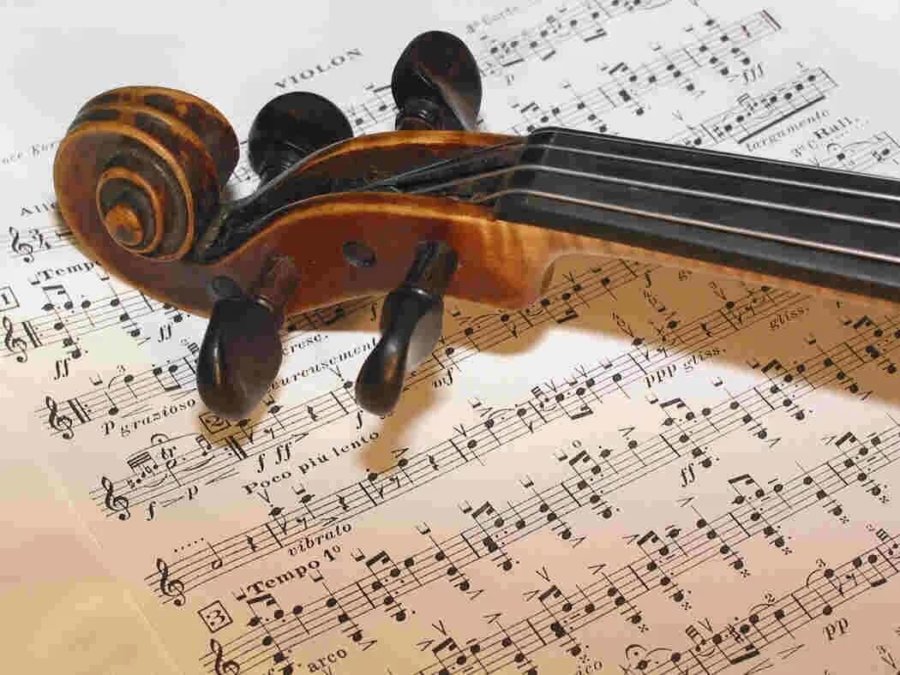
References to the use of “period instruments” are usually reserved for recordings of Baroque music. This is to be expected, given the substantial differences between modern instruments and the instruments used by our 16th and 17th century forebears. Bows were shaped differently; strings were made with all sorts of unorthodox materials; and fingerboards were shorter and thicker than their modern counterparts. As a result, the use of period instruments when playing Baroque music can make all the difference in placing the listener as close as possible to the original Baroque sound.
I was therefore surprised to see a recent recording of Brahms’ Cello Sonatas advertised as having been played “On Period Instruments.” Cellist Alessandro Andriani and pianist Mario Sollazzo, both faculty members at Italy’s Modena Conservatory, have recorded Brahms’s E Minor and F Major cello sonatas on the NovAntiqua label using a 1781 Gagliano cello and a Model 16287 Erard piano (dating roughly from the 1780s). Given Brahms’s lifespan (1833-1897), these are likely the kinds of instruments he would have been accustomed to playing and hearing. And by the same token, they are also likely the kinds of instruments that would have originally premiered these two sonatas.
Do they make a difference, these old instruments? I think so. The cello’s sound is earthier, thicker than I expected, even a little bit husky; the piano seems more deliberate and restrained. From the earliest moments of the E minor sonata, I felt almost as though I were sitting in the front row of a live performance and could hear the occasional friction between the bow-hair and the string or the occasional thump of the pianist’s pedal being released.
Andriani and Sollazzo begin with the famous E minor sonata. (My use of the word “famous” is not, of course, to denigrate the F major sonata; it’s just that very few pieces can compete with the E minor). They begin slowly—slower than I’ve ever heard, truth be told. Whether this has to do with the seemingly more deliberate nature of the period instruments, one can only guess. Yet somehow the tempo works. Andriani’s cello lines are shapely and consistent, never releasing the listener’s attention until the close of the phrase. Sollazzo offers a buttery-smooth piano line that melds easily with the cello.
Many moments throughout the album are worthy of mention, but I will content myself with the second movement of the E minor sonata, which I believe highlights the many virtues of Andriani and Sollazzo’s playing. In keeping with the general trend of the album, Andriani and Sollazzo began the movement slower than usual, but the tempo did not detract from the soulfulness of Brahms’s writing or the connectivity of the musical line. Sollazzo in particular did a wonderful job of showcasing Brahms’s Beethovenian ability to get extra mileage out of a small amount of musical material. Where the material was familiar, he offered subtle variations that both highlighted the similarity with what had come before and accentuated the differences that had emerged in the meantime. Perhaps the best moment in the sonata—indeed, the entire album—was the gorgeous second theme of this movement. Here, Andriani spun a delicious legato line that wove its way through the openings in Sollazzo’s arpeggiated line with a rich, elegant—and yes, Brahmsian—sound. Suffice it to say: these two Italians know how to play German music.
I have only one quibble with the album. At points, particularly in the forte or fortissimo sections, the cello overpowered the piano. Or perhaps the piano was too reserved. Either way, the instruments were out of balance. But who knows? Perhaps it had nothing to do with the playing. Perhaps it was a simple matter of microphone placement, or a sound engineer’s editing oversight. Regardless, this minor issue hardly serves to detract from the overall quality of the album. I’ll take a live-performance sound and consistently beautiful melodic lines over an occasional dynamic imbalance any day. This is a raw and immediate album, an album that seems to bring the listener into the recording studio with the performers. For me, that is reason enough to hear it.


Related Posts