Why Milton Friedman Still Matters

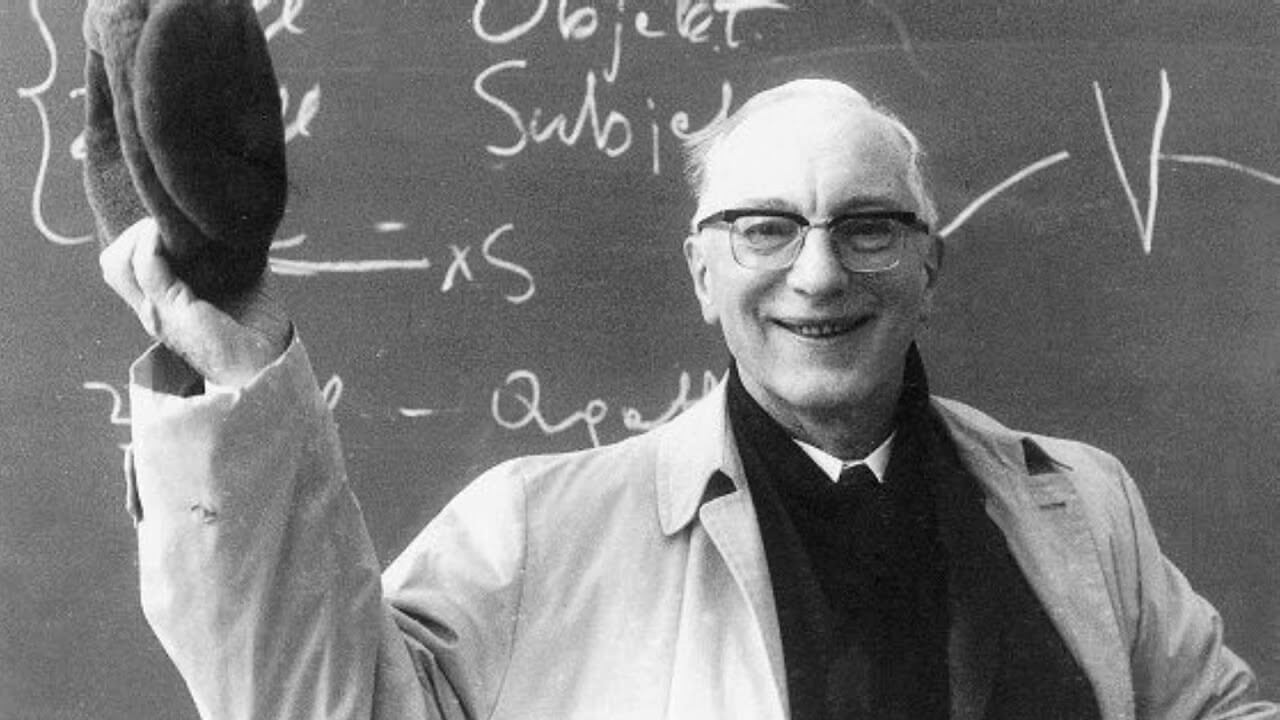
“Economic freedom is also an indispensable means toward the achievement of political freedom.” Milton Friedman, the Nobel Laurette economist who was eulogized as “the economist of the century” is just as important today as he was when he became the great champion of freedom during the height of the Cold War and malaise of the 1970s. His wisdom is just as needed now as it was during his life.
One of the most disturbing trends in American society is the drift toward economic totalitarianism. More and more Americans are speaking fondly of excessive government control over economic life, an erosion of economic liberty which will have dramatic consequences for our other freedoms. Younger Americans, especially, are expressing negative views of economic freedom and which also correlates with their increasing desire for Big Brother to even spy on them in their homes!
Among the more alarming trends in the turn against economic freedom is among younger Republicans who believe capitalism exploits the family and is responsible for the continual decline of family structures in America. Their answer is more government welfare, an expansion of the healthcare-welfare state, a growing bureaucracy of regulatory agencies and laws in the name of the family or “common good.”
Yet it was Friedman who said, “The family, rather than the individual, has always been and remains today the basic building block of our society, though its hold has clearly been weakening—one of the most unfortunate consequences of the growth of government paternalism.” So much for the false claim that Friedman and other libertarians are “anti-family.” Additionally, what Friedman recognized even in the 1960s and 1970s was not how capitalism destroyed families but how government welfare destroys families.
The dependency on welfare isn’t meant to stabilize or promote families, though this has become a popular trope now promoted by the new enemies of freedom. The welfare state is meant to prevent the possibility of families from forming in the first place. This is something Friedman also understood well. Moreover, one of the great incentives to economic entrepreneurship is not the self but the desire to help and improve one’s family. The risks we take for loved ones and children are always greater than the risks we take for ourselves.
The assault on freedom begins with economics because economics touches everything in life and economics is the primary means by which strong families emerge and with strong families the political, social, and religious freedoms we enjoy. Without family vitality, there is no societal vitality. This, too, was something that Friedman keenly understood.
Friedman stated unequivocally that our political and spiritual loves and liberties were very much contingent upon economic freedom, “The economic controls that have proliferated in the United States in recent decades have not only restricted our freedom to use economic resources, they have also affected our freedom of speech, of press, and of religion.” Today, we all sense this reality that Friedman saw over 50 years. As our economic freedoms deteriorate so too are their efforts to restrict our political and religious liberties.
The majority of the intellectual class has convinced itself of human perfection in some form or another. This is the basis of all totalitarianism—the incessant, even violent, effort to remake human nature into a perfect end-state. Yet Friedman stated that lovers and champions of freedom have always recognized this paradox about humanity and freedom: the imperfection of humanity is the greatest pillar for the freedom of humanity. As he writes, lovers of freedom “conceive of men as imperfect beings.”
Freedom is good, though we know it is imperfect because we ourselves are “imperfect beings.” Good things are always ruined by the fanatical dreams of perfection. The bait and switch of the tyrannical lust of totalitarians is that they blame our imperfection on a system rather than seeing imperfection in ourselves. This gives them the license to dismantle the goods we have from freedom through the phantasmagoric promise of a perfect future.
Families, as such, suffer at the hands of the perfectionist-totalitarian dreams of utopians. The dismantling of families is said to be for their protection (totalitarianism always has a knack for imposing itself on society for their protection). But it is really about gutting the middleclass who are the pillar of a free society because the middleclass is primarily built by economic freedom and by destroying the middleclass the destruction of economic freedom can commence.
The middleclass is also more religious and generous than other groups of people. The middleclass is also more likely to support freedom of speech than other demographic groups too. In short, it is the middleclass that is most empowered by economic freedom which translates into their strong support for political and spiritual freedom, freedoms they enjoy because of economic vitality and opportunity. This is true in America and abroad, all of which confirms Friedman’s analysis of economic freedom being the greatest means toward developing political and social freedom.
Friedman’s analysis on the relationship between economic freedom and political freedom is not something to lightly throw away. We seem to be headed toward the path that Friedman warned against: greater government controls to achieve equality which will necessarily erode our other liberties in the process. Friedman constantly reminded us that fear was the last resort for totalitarians.
Even though we know that totalitarians turn to fearmongering for their imposition of tyranny over us, they still do it repeatedly with great success. We let them. And in letting them run rampant over us with fear, the vitality of freedom withers under such relentless ideological warfare. Fear of another Great Depression is one of the ubiquitous political bullhorns that wannabe tyrants constantly utilize to bring greater control over the economy. We have all just lived through the fear of a global pandemic to ruin the economy, ruin families, ruin churches, and ruin lives. We must never forget this, even though many have.
Now, however, fear of capitalism itself runs amok as the justification to launch ever greater totalitarian measures over our lives which will not just impact our economic freedom but our political and religious freedoms as well. Fear of free speech (deemed “hate speech”). We can add in fear of Christianity too (“Christian nationalism” has become the new bogeyman of totalitarians). Fear of whatever the totalitarians want to throw around to justify their tyrannical policies over the country.
Friedman’s analysis of how economic freedom led to all the other great freedoms we still have but are always in danger of losing is even more relevant now than when he wrote and lived. No taxation without representation eventually led to the Bill of Rights. It is important that we do not forget this truth and that we remain champions of freedom not just in politics and religion but also economics since our political and religious freedoms are very much bound up with our economic freedoms. If we forsake economic freedom, we cede the possibility for the forsaking of all other freedoms.


Related Posts